All work
Two-sided marketplace · Web

A video marketplace that had to be useful before it had buyers

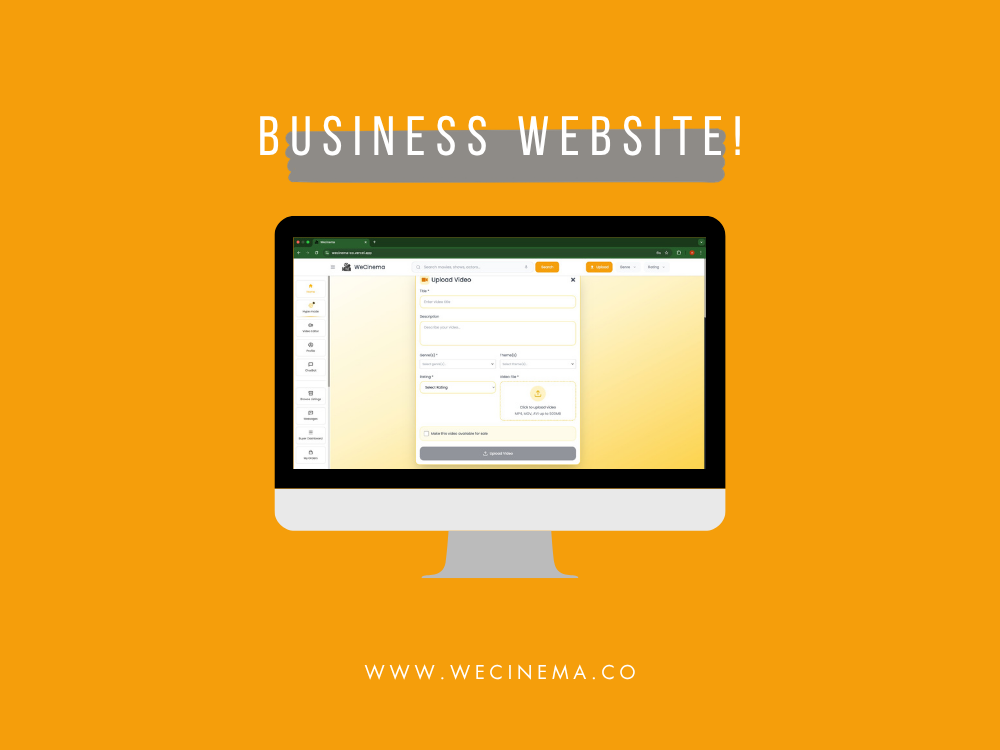
WeCinema lets independent filmmakers buy, sell and share work. Every meaningful decision in the build came from one problem: a two-sided marketplace is worthless to both sides until it already has both sides.

Year
2024
Platforms
Web
My role
Product design · Web app · Backend & APIs · Business site
Stack
Next.js, Node.js, PostgreSQL, Video streaming, Stripe
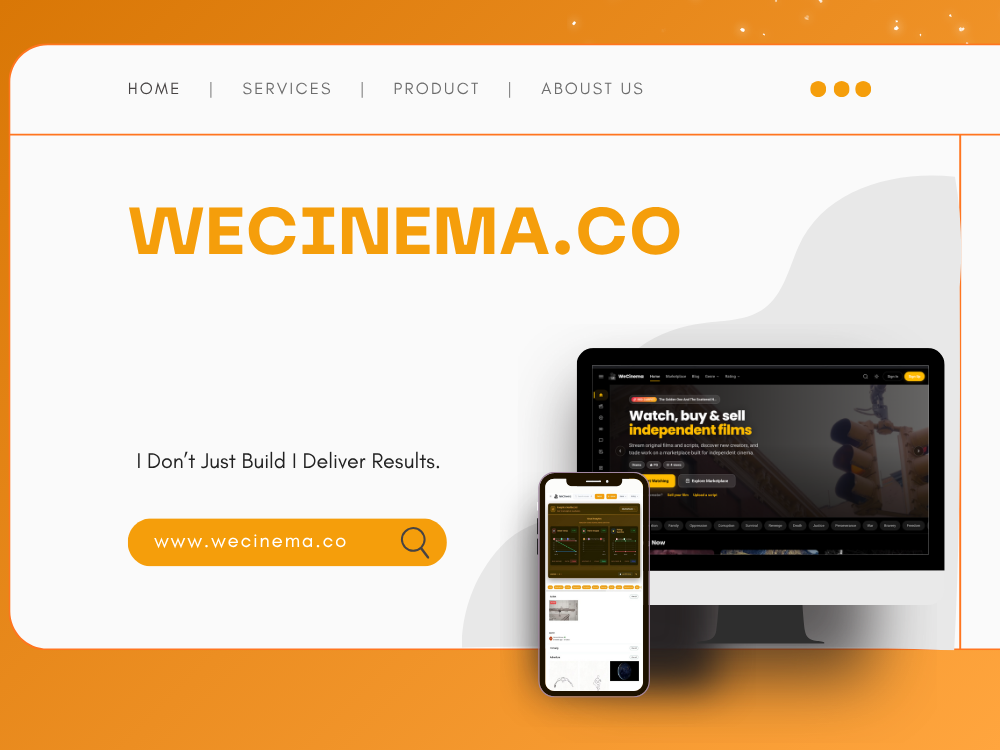
WeCinema — overview
The situation

Context

Independent filmmakers have finished work and no distribution. Buyers — brands, agencies, producers — want independent work and have no efficient way to find it. Both sides exist; there is simply no venue where they can see each other.

The problem

The cold-start problem in its purest form. Creators will not upload to a marketplace with no buyers, and buyers will not visit a marketplace with no work. Building both sides simultaneously and launching to an empty room is the standard way this fails.

What made it hard

The constraints

  • Neither side has a reason to arrive first, and launching to an empty marketplace burns the only launch you get
  • Video is heavy: uploads are large, playback must survive poor connections, and both browsing and buying collapse if it does not
  • Two audiences with opposite priorities have to be addressed by the same marketing site
  • Creator payouts mean real money leaving the platform, with all the correctness that implies
Key decisions

Every choice has a cost

The tradeoff is stated next to each decision, because a case study that only lists wins isn't telling you anything useful.

01

Make the creator side worth using with zero buyers present

This is the answer to cold start. Upload, organise, present and share your work behind a real page is a portfolio — useful on day one, with no demand side required. Supply accumulates while the marketplace is still empty.

TradeoffMeaningful build effort spent on tools that generate no revenue directly, in service of the marketplace existing at all.

02

Invest early and disproportionately in video delivery

Every other feature is downstream of playback working. A marketplace where the preview stutters does not get to have a conversion problem, because nobody reaches checkout.

TradeoffTranscoding and delivery infrastructure consumed time that could have gone to marketplace features, before any transaction existed to justify it.

03

Give creators a shareable public page for every piece of work

It turns each creator into a distribution channel. They share their own page, which brings their audience to the platform — the least expensive demand generation available.

TradeoffPublic pages have to be fast and good-looking enough that a creator is willing to put their name on them, which raises the bar on the whole presentation layer.

04

Next.js with server rendering for all public work pages

Those pages are the acquisition surface. They have to load fast on a shared link and be indexable.

TradeoffMore rendering complexity than a client-only app would have needed.

How it works

Architecture

Next.js with server rendering for public creator and work pages — these are the shareable, indexable acquisition surface, so they cannot be client-rendered. Node and PostgreSQL handle listings, transactions and payouts. Video is handled out of band: uploads go straight to storage, transcoding runs asynchronously, and delivery is separated from the application path so a large upload never blocks browsing. Stripe covers payments in and creator payouts out.

Next.jsNode.jsPostgreSQLVideo streamingStripe

Solving the empty room

The standard failure is to build both sides at once and launch into a marketplace with no supply and no demand. WeCinema inverts it: the creator tools are a portfolio product that is genuinely useful before a single buyer arrives. Filmmakers upload because it serves them immediately, and the marketplace acquires supply while it is still, technically, empty. The marketplace layer then switches on over a catalogue that already exists.

Video is the part that decides everything else

Uploads are large, connections are unreliable, and playback quality determines whether anyone browses at all. This work is invisible when it succeeds and terminal when it fails, so it received attention out of proportion to its visibility — before there was any transaction volume to justify it.

Writing for two audiences at once

The business site has to convince a filmmaker and a buyer on the same page, and they want opposite things: creators want reach and control, buyers want selection and licensing clarity. This was a harder writing problem than an engineering one, and it took more revision than any single feature in the build.

How it ran

Build timeline

  1. Weeks 1–3

    Video pipeline first

    Upload, transcoding and delivery before any marketplace feature, because everything downstream depends on playback being solid.

  2. Weeks 4–7

    The creator product

    Upload, organisation, presentation and shareable public work pages — server-rendered, fast, and worth a creator's name.

  3. Weeks 8–11

    Marketplace layer

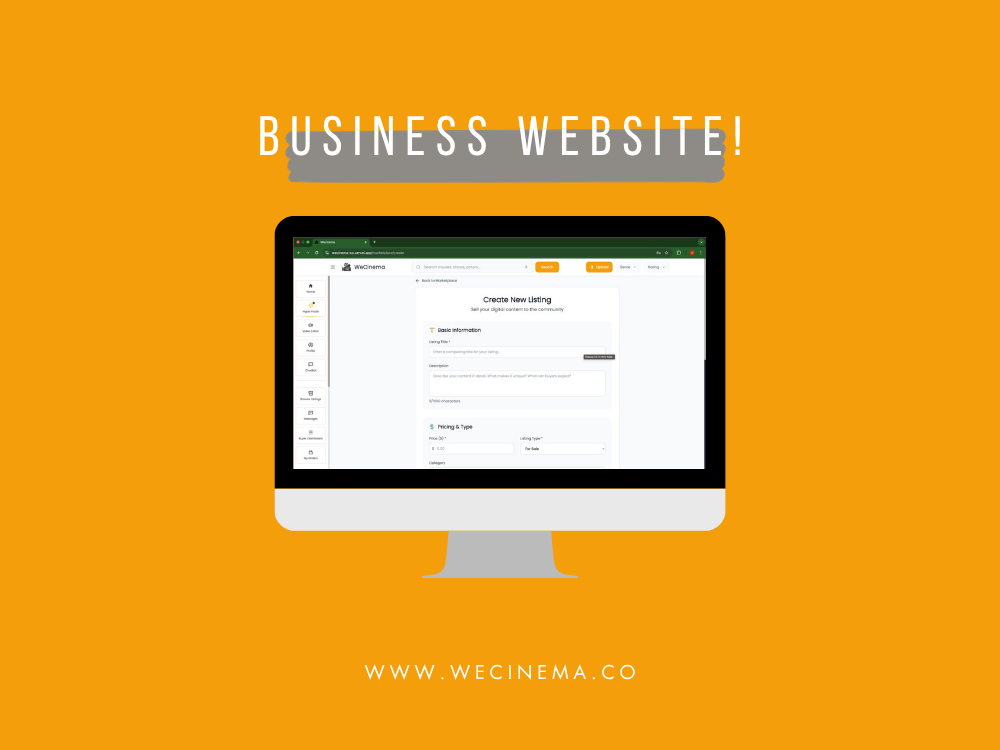
    Listings, discovery, buy and sell flows, payments and creator payouts on top of a catalogue that already existed.

  4. Launch

    Business site and go-live

    The two-audience marketing site, plus launch with real supply already on the platform.

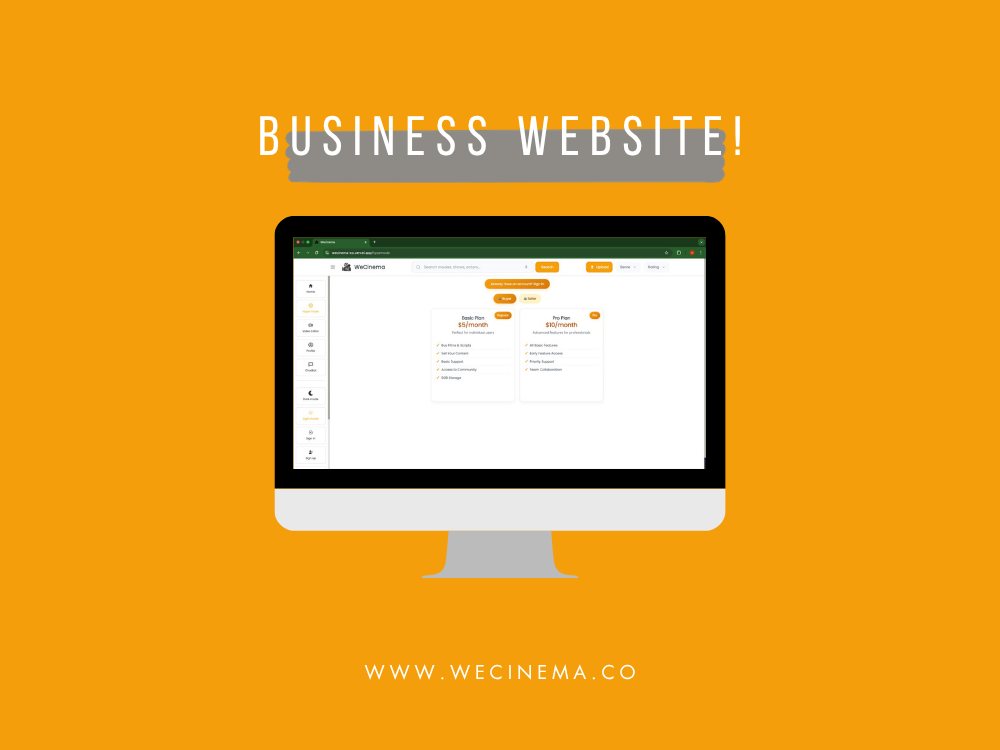
Screens from WeCinema

In hindsight

What I'd do differently

Licensing terms were treated as a detail and should have been a first-class part of the listing model. Buyers of creative work care about usage rights as much as price, and bolting that on later is far messier than designing listings around it from the beginning.

Other case studies

MadeInPK
B2B marketplace · iOS, Android & web

MadeInPK

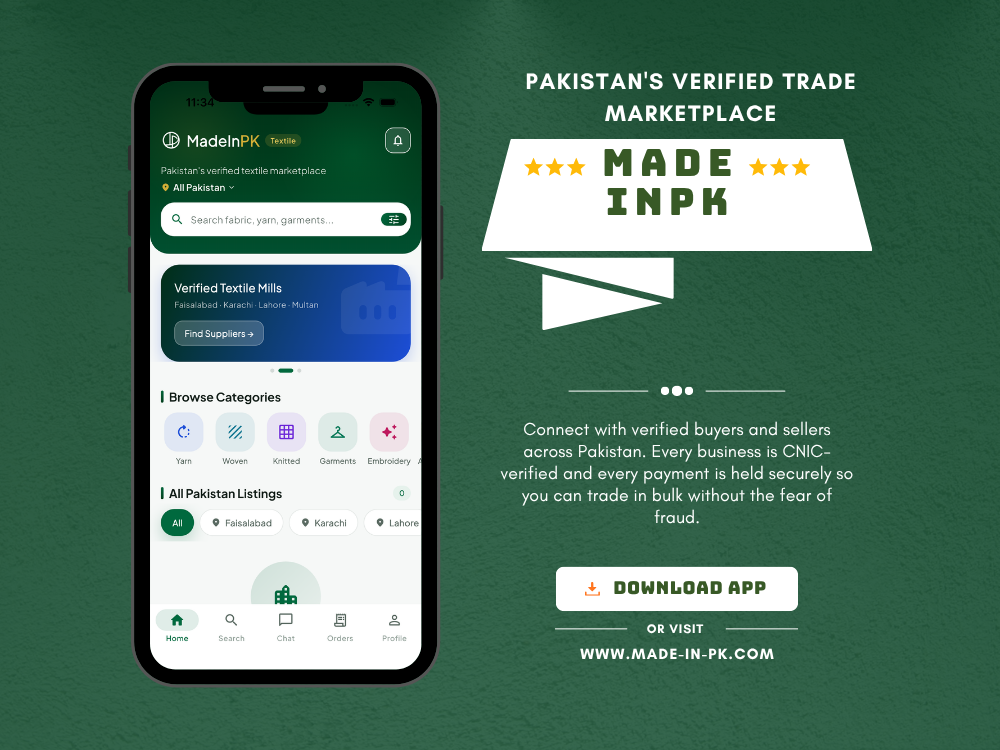
MadeInPK connects Pakistani textile mills with international buyers who have no reliable way to tell a real supplier from a fraudulent one. Apps, web, escrow and admin tooling — designed and built end-to-end.

GlazeMe
Social app with payments · iOS

GlazeMe

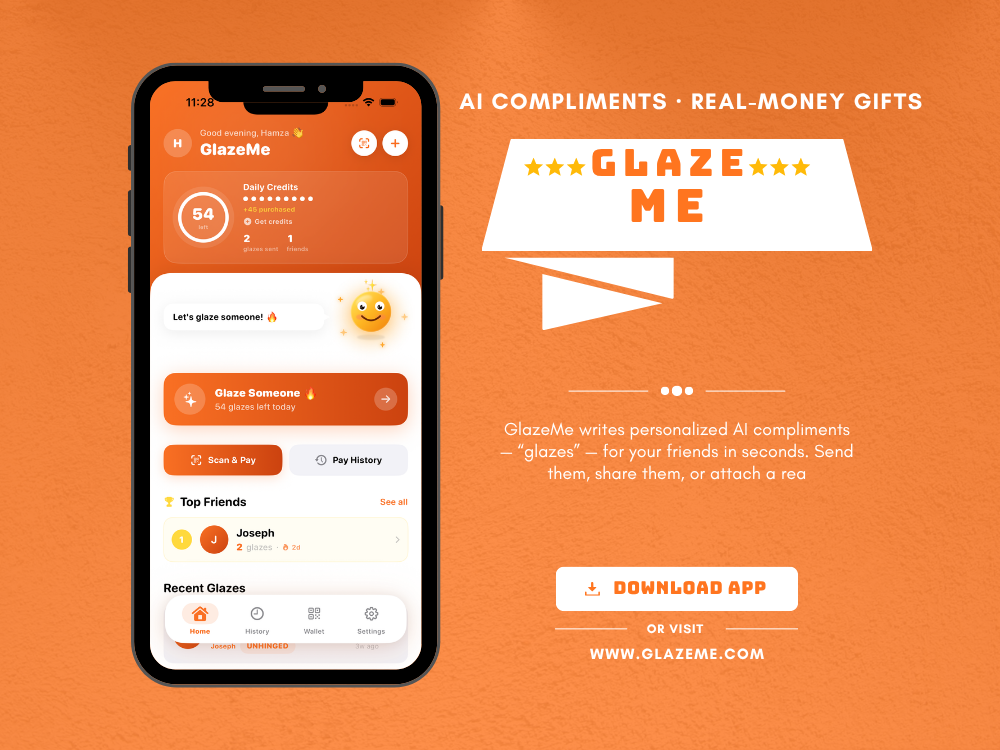
A social iOS app where the AI writes the compliment and the sender attaches real money to it. Combining generative text with a working wallet is where nearly all the engineering went.

FaceMeQuiz
Game · iOS

FaceMeQuiz

A face-and-memory quiz game with daily challenges and head-to-head battles, built around the retention cliff that ends most casual games within days of install.

Want something built like this?

Tell me what you're making and who it's for. I'll tell you the smallest version worth shipping — and what it costs.

Chat with us